Research
The prototype
A working vehicle built to test whether solar-only propulsion is viable for personal mobility.
What it is
The current prototype is a lightweight personal mobility vehicle. It was built to answer a specific question: can a small vehicle run on solar power alone, without any battery?
The design is intentionally minimal. The goal is to keep the energy system simple and observable, not to build a polished product.
Photo coming soon
Technical specifications
Propulsion
Direct solar — photovoltaic panels to motor
Energy buffer
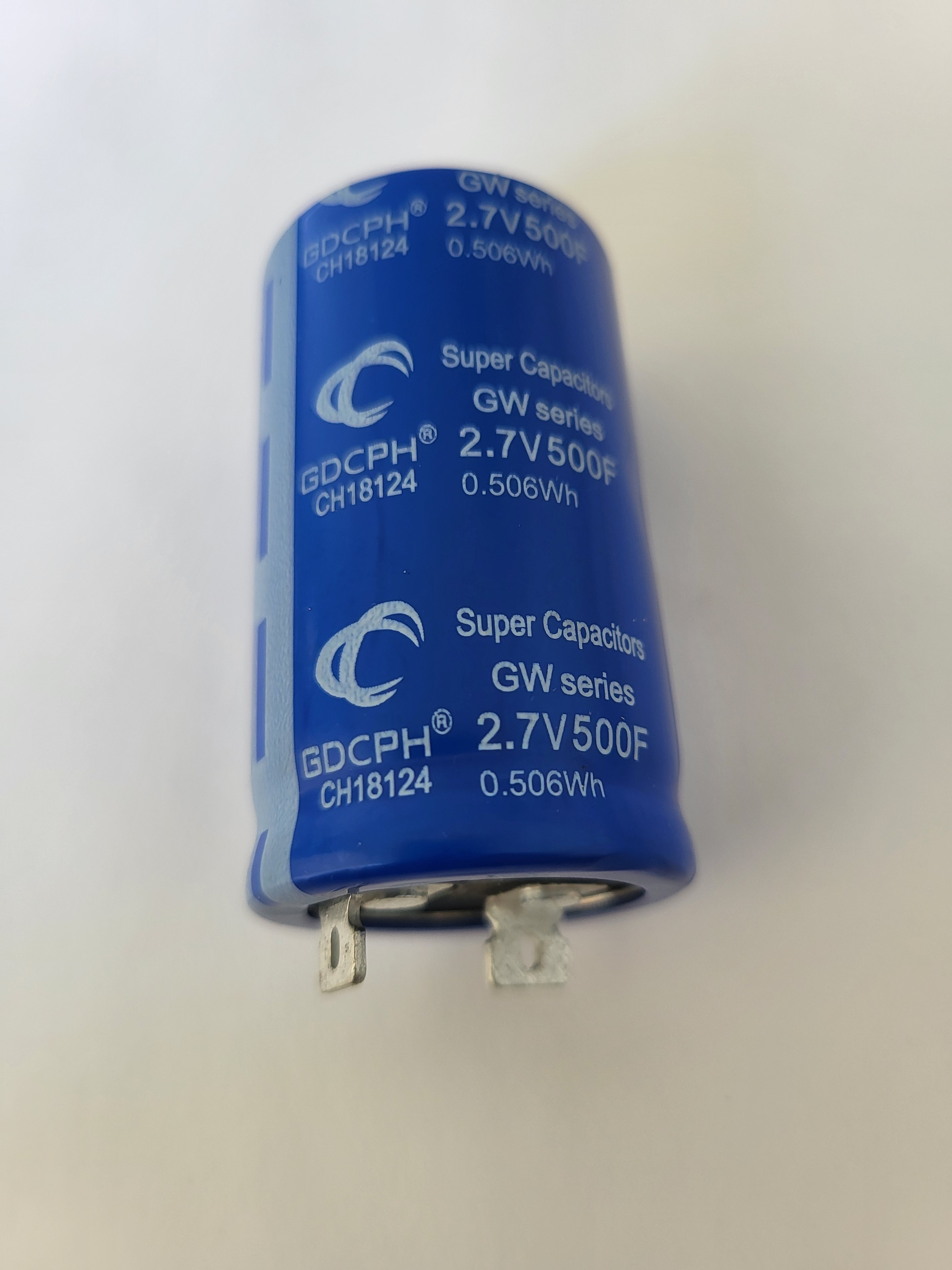
Supercapacitor bank — 24 × 500F cells in series, 20.8F / 64.8V
Operating condition
Daytime, direct and diffuse sunlight
Vehicle class
Lightweight personal mobility
Status
Working research prototype
Range
Continuous during daylight hours
What's been observed
Shade transitions work
The supercapacitor handles brief shade events — trees, clouds, overpasses — without noticeable interruption. The transition is smoother than expected.
Removing the battery simplifies things
Fewer components means fewer things to go wrong. The system is lighter and more direct than a battery-based equivalent.
Daytime operation is continuous
In testing, the vehicle has run for full daylight periods without any energy management issues. It just keeps going while the sun is up.
Supercapacitor energy buffer
The energy buffer uses 24 supercapacitor cells, each rated at 2.7V and 500F, wired in series. Series wiring adds the voltages together, giving the bank a maximum working voltage of 64.8V.
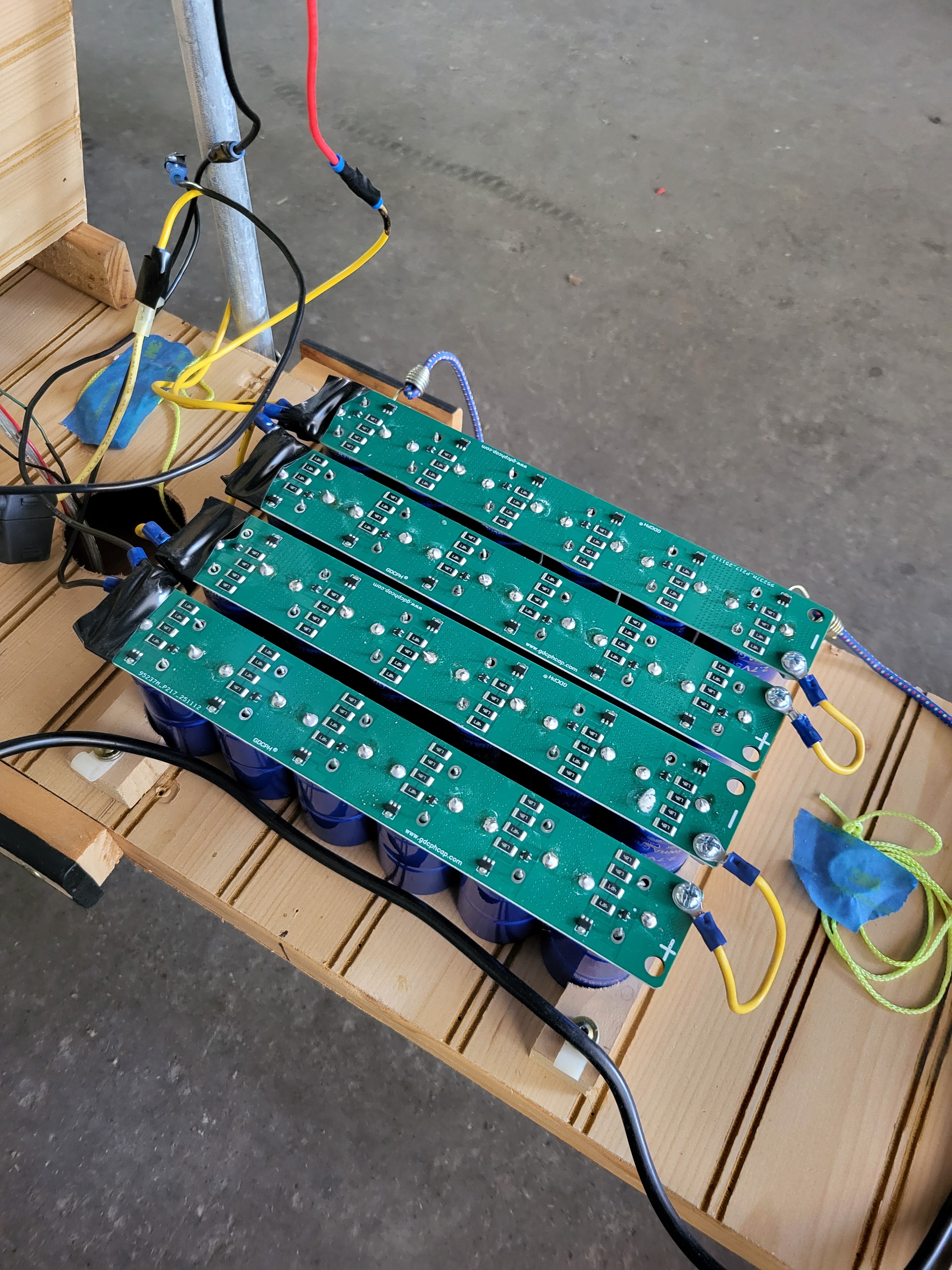
The circuit boards visible in the photo are balancing boards — they limit the voltage across each individual cell to its 2.7V rated maximum, preventing any single cell from being overcharged. Wiring capacitors in series reduces total capacitance: 500F ÷ 24 cells = 20.8F for the bank.
Unlike a battery, a supercapacitor charges and discharges almost instantly — making it well-suited to the rapid fluctuations in solar input that occur when passing through shade. Supercapacitors also do not degrade with charge cycles the way a battery does, so repeated charging and discharging does not wear them out.
Interested in the project?
Happy to discuss the research with anyone who's curious.